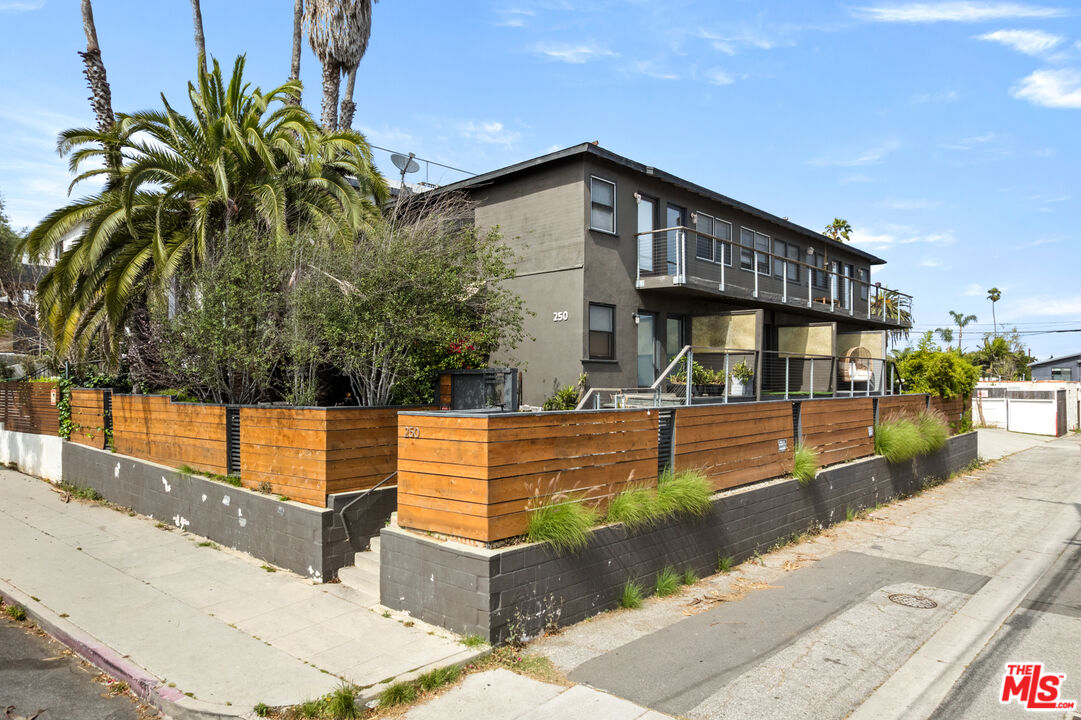
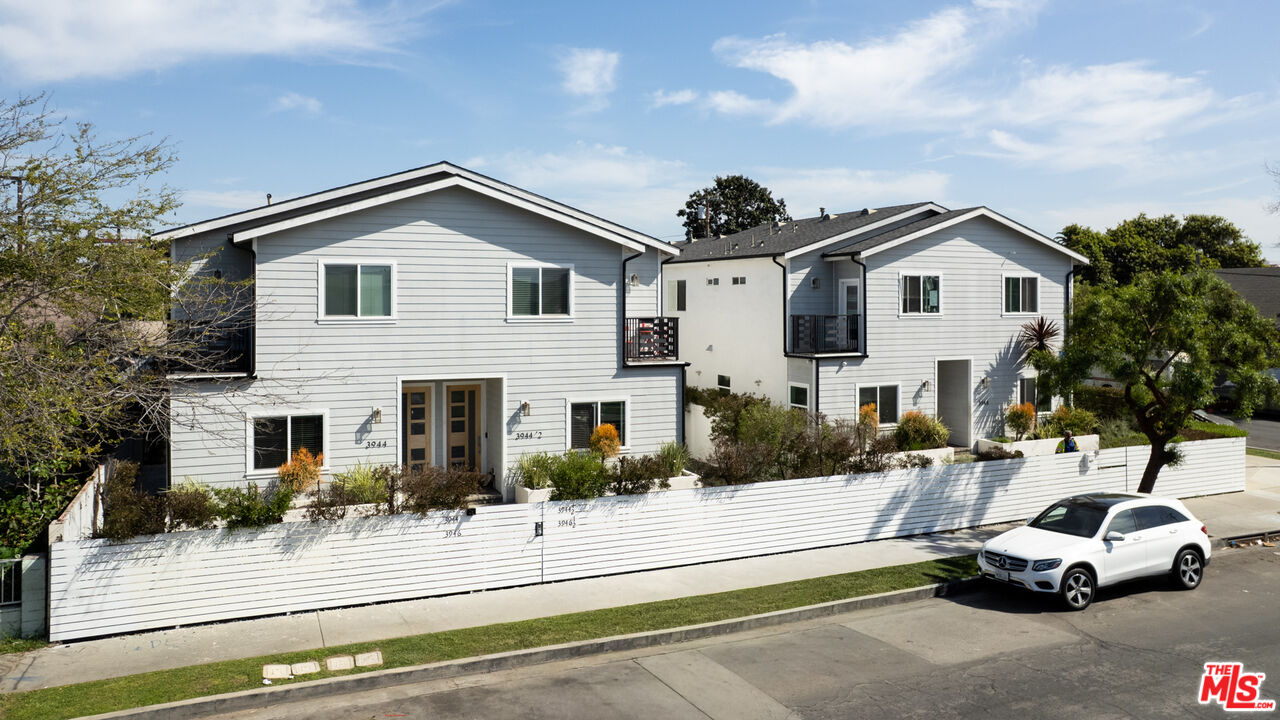
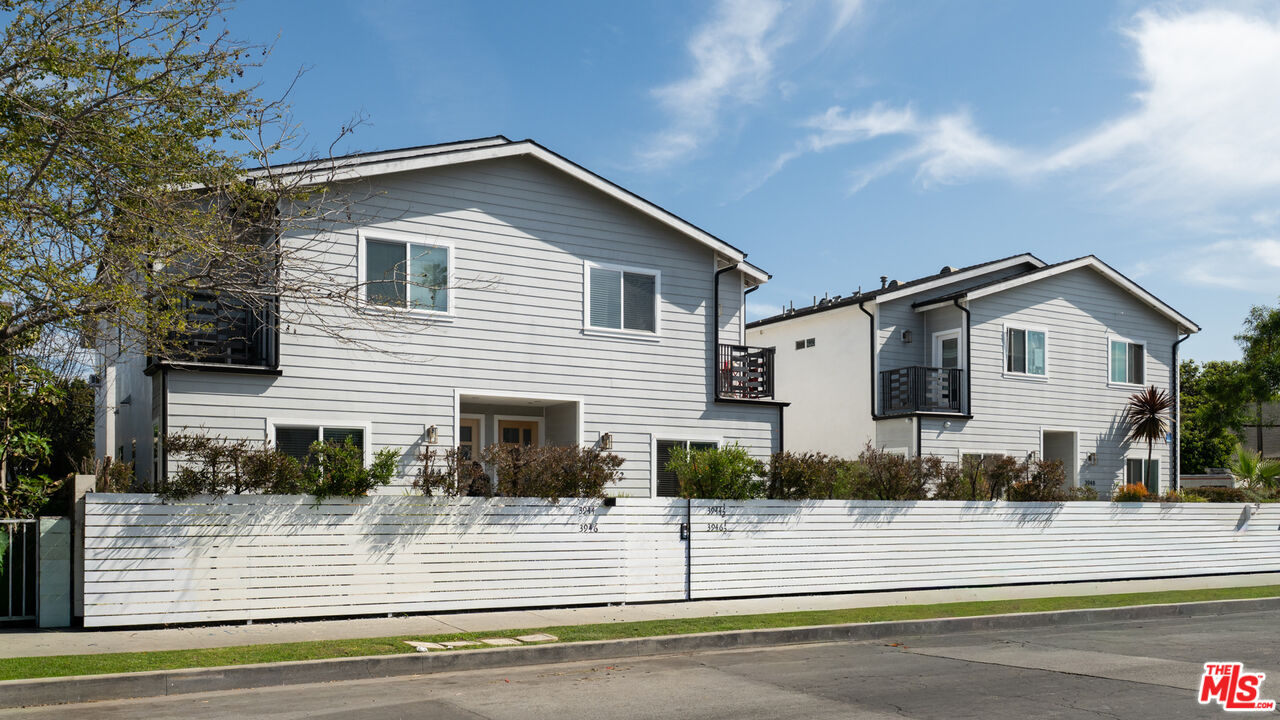
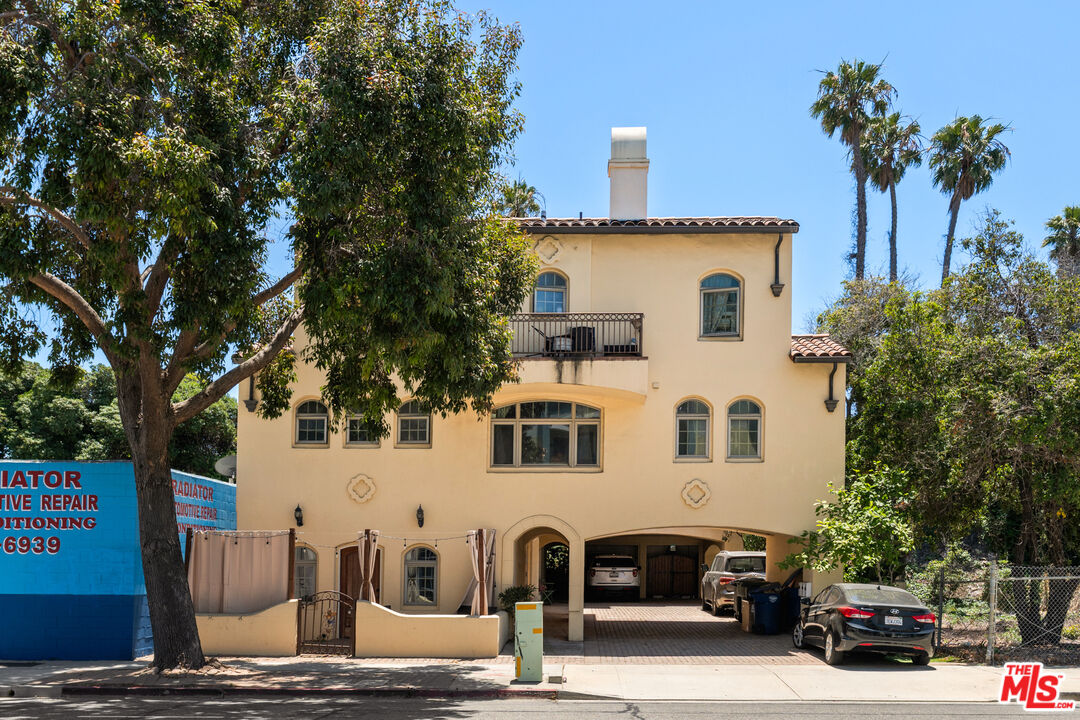
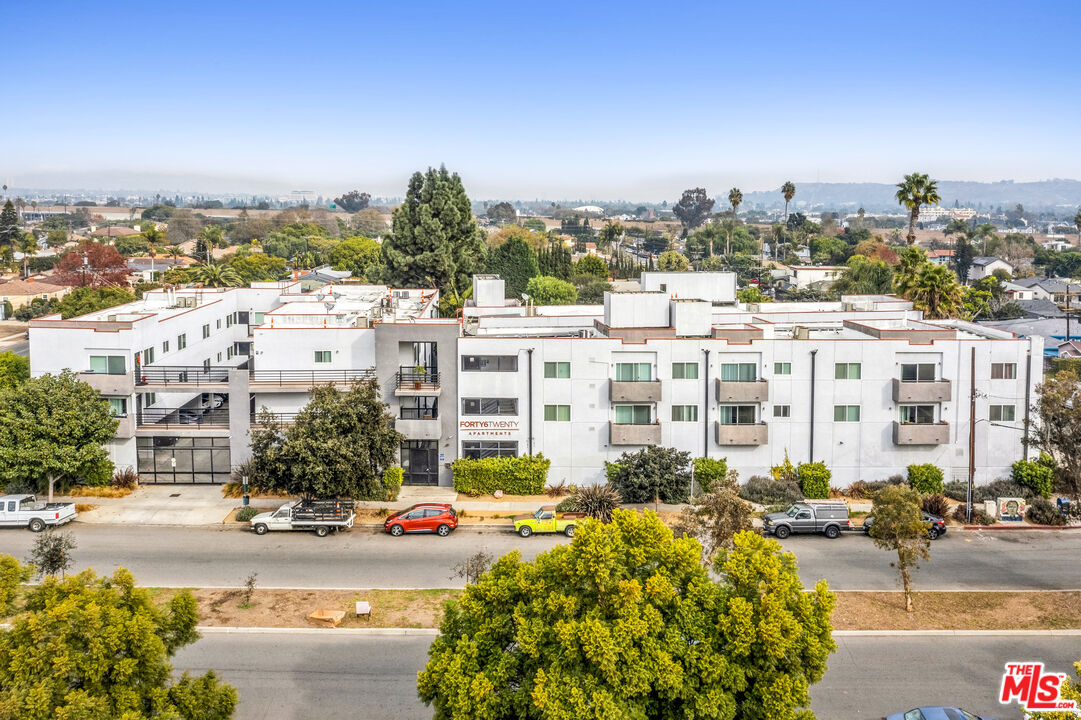
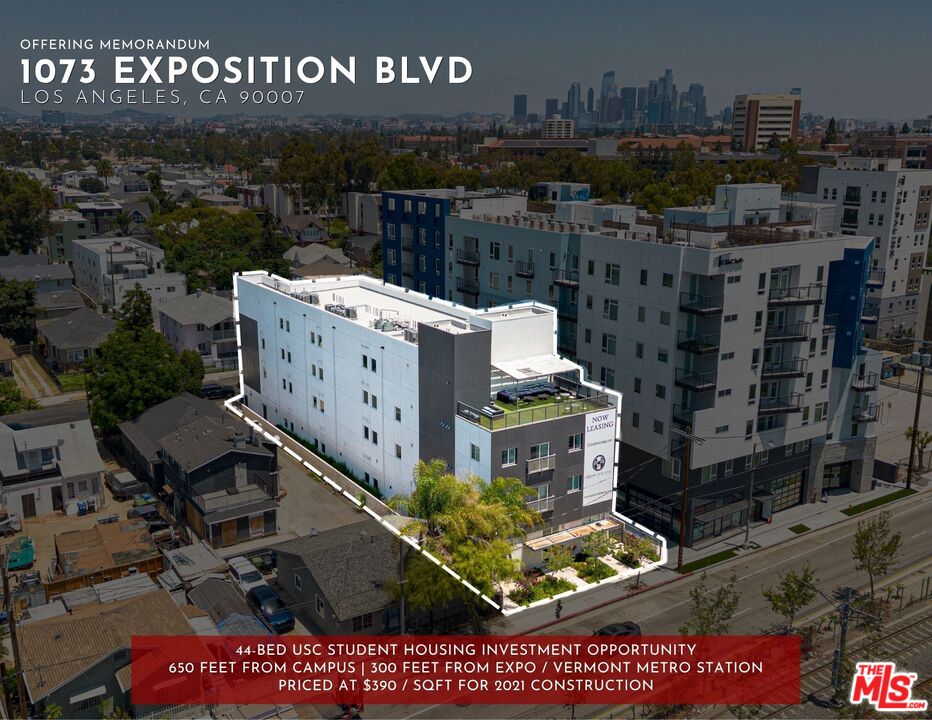
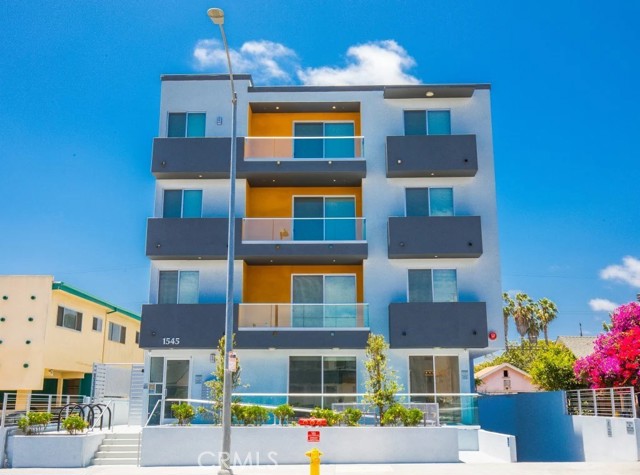
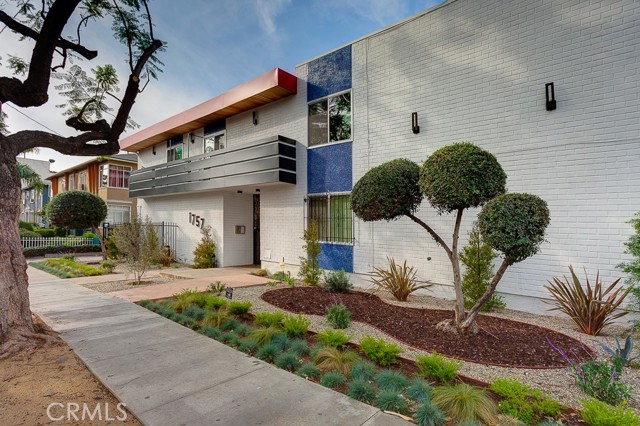
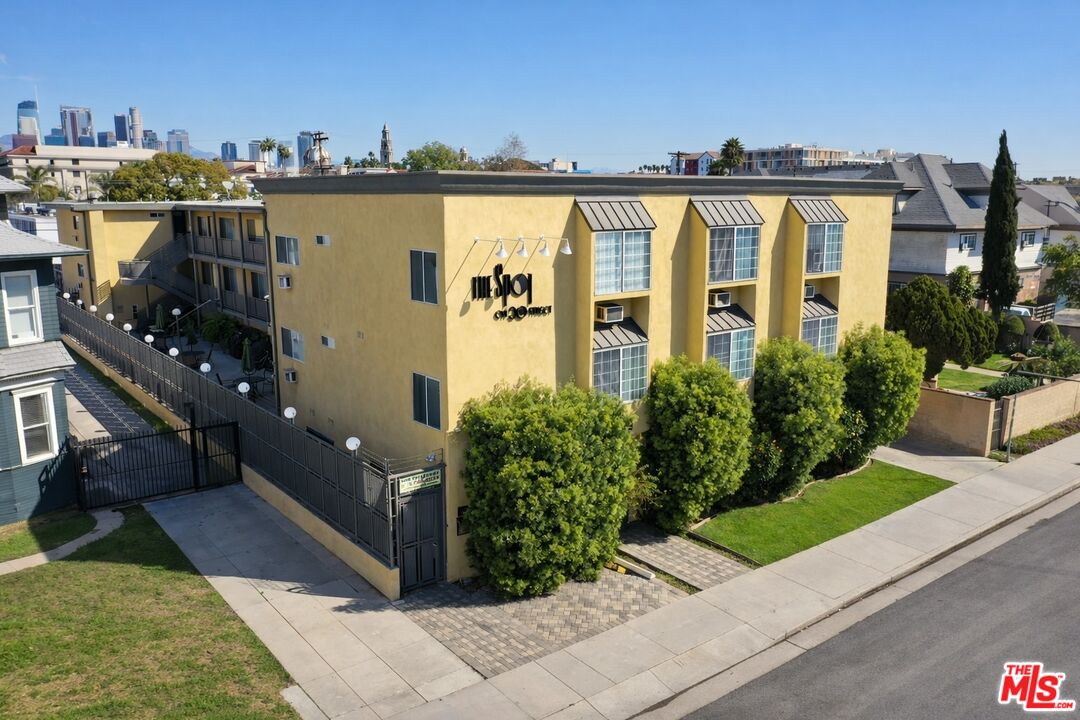
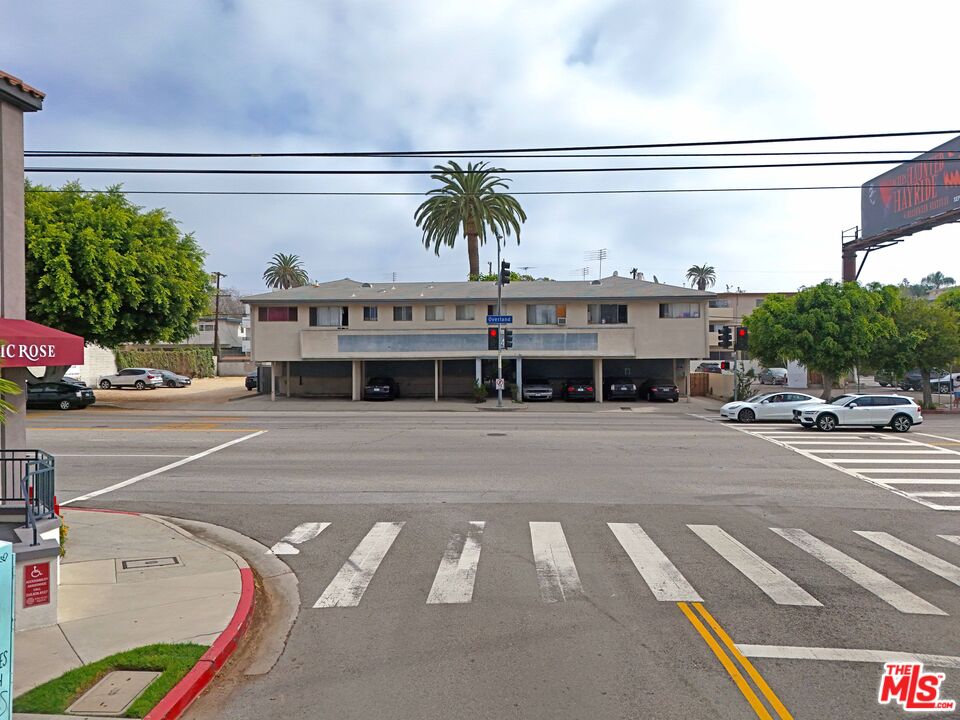
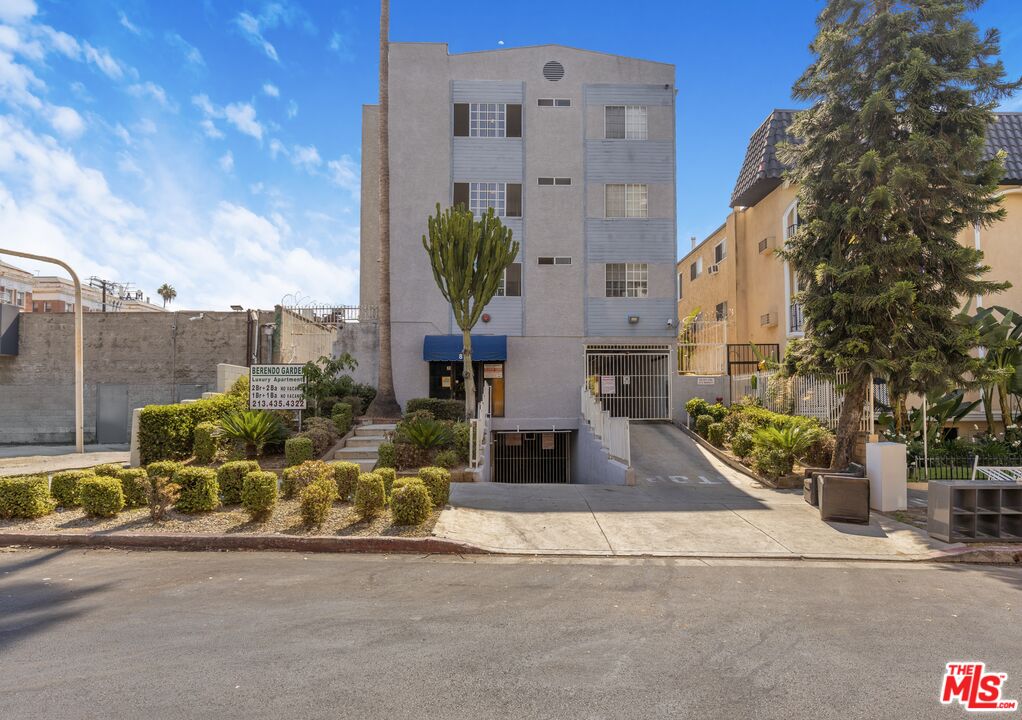
Search Los Angeles multi-family buildings for sale, real estate, and new listings with John Swartz.
Multifamily for sale Los Angeles properties offer institutional and private investors resilient multi-generational capital growth across Southern California. Featuring duplexes, garden-style apartment complexes, and high-density development sites, multi family homes for sale Los Angeles provide consistent rental demand driven by strong employment centers. Average sales prices hover around $275,000 per unit, while regional vacancy rates remain balanced at 5.2 percent. Investors navigating local regulations benefit from strategic asset selection across stabilized core holdings and value-add opportunities.
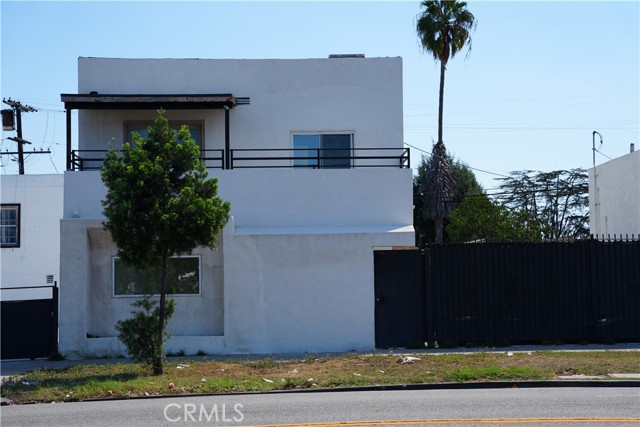
Evaluating multi family homes for sale in Los Angeles CA requires an understanding of how building size, unit density, and tenant lease structures impact overall yield. Small residential multi-unit buildings offer lower entry thresholds for private investors, whereas larger commercial apartment communities deliver economies of scale. Understanding city rent stabilization ordinances (RSO) versus non-RSO assets enables buyers to accurately model net operating income, cap rates, and long-term capital appreciation across diverse Los Angeles County submarkets.
| Property Category | Unit Range & Size | Typical Price Spectrum | Investment Profile & Cap Rate |
|---|---|---|---|
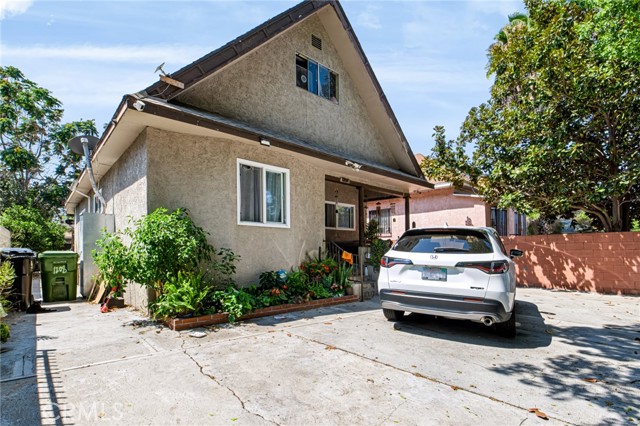
| Duplex, Triplex & Fourplex (2-4 Units) | 1,800 to 4,500 total sq ft | $1,200,000 to $2,800,000 | Ideal for initial investors or owner-occupiers using conventional financing |
| Mid-Tier Apartment Buildings (5-19 Units) | 4,000 to 16,000 total sq ft | $2,200,000 to $6,500,000 | Commercial cash-flow assets with value-add utility and ADU potential |
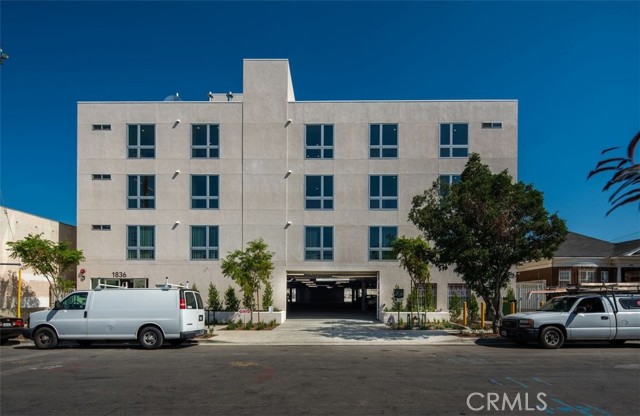
| Core & Value-Add Communities (20-100+ Units) | 15,000 to 80,000+ total sq ft | $7,500,000 to $45,000,000+ | Institutional holdings offering scale, professional management, and steady yields |
| Ground-Up Multifamily Development Sites | 7,000 to 40,000+ sq ft land parcels | $1,500,000 to $12,000,000 | Entitled or un-entitled land parcels zoned for high-density TOC urban infill |
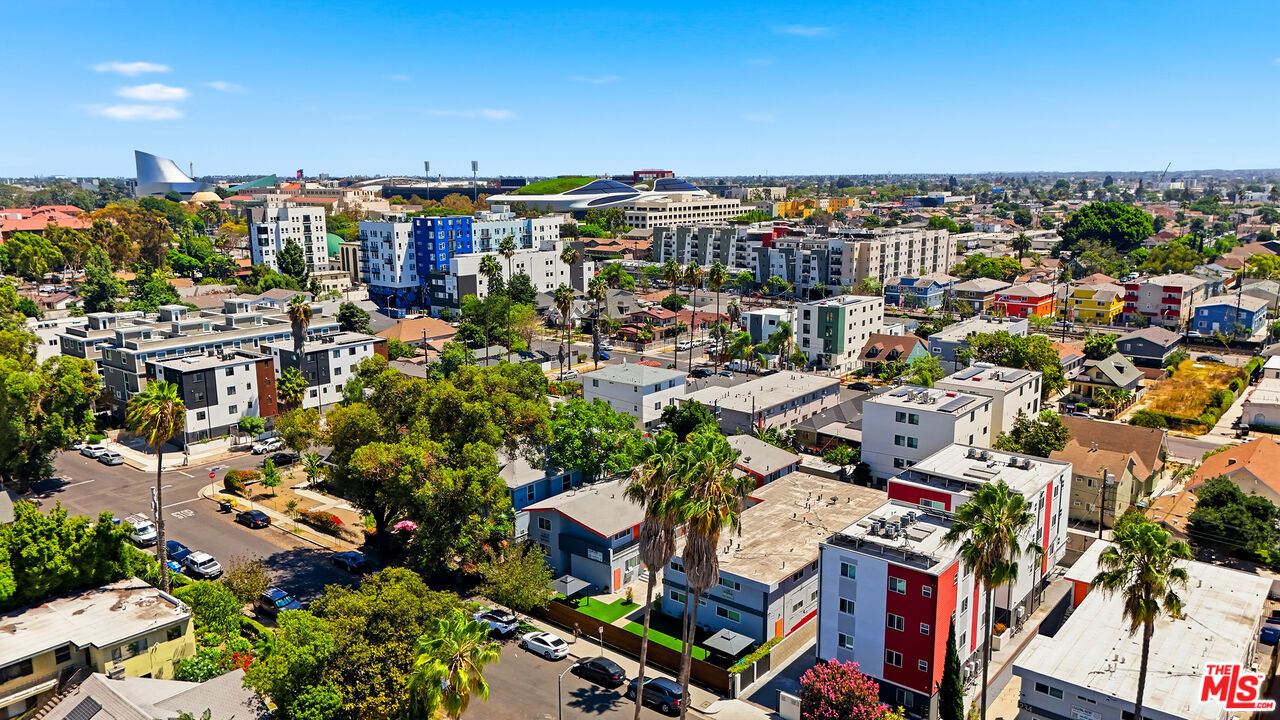
Acquiring a multi unit for sale Los Angeles asset requires analyzing distinct submarket characteristics, tenant demographics, and neighborhood growth trajectories. From coastal Westside communities commanding premium rents to high-density Metro Los Angeles urban corridors, multi units for sale Los Angeles appeal to varied risk profiles. Selecting the ideal location depends on whether your strategy prioritizes immediate cash flow, long-term land value appreciation, or transit-oriented development potential.
| Submarket Sector | Asset Profile & Architecture | Location Character & Demand Drivers | Target Price Spectrum |
|---|---|---|---|
| West Los Angeles & Coastal Corridor | Mid-century flats, luxury courtyard units, and high-rise developments | High-tech Silicon Beach employers, Santa Monica proximity, and top tenant demand | $3,500,000 to $25,000,000+ |
| Hollywood & Mid-City Core | Vintage Spanish Colonial bungalows, triplexes, and modern infill complexes | Vibrant entertainment studios, high walkability, and strong historical appreciation | $2,100,000 to $15,000,000 |
| Metro Los Angeles & Downtown Core | High-density apartment buildings and adaptive-reuse historic towers | Urban employment hubs, Rail Trail transit connectivity, and steady rental pools | $1,800,000 to $30,000,000+ |
| The San Fernando Valley Corridor | Garden-style multi-unit complexes and spacious residential acreage | Suburban family stability, strong charter schools, and expanding commercial hubs | $1,500,000 to $12,000,000 |
Successfully scaling a commercial real estate portfolio in Southern California demands rigorous financial modeling and active market intelligence. Navigating Los Angeles multifamily transactions requires evaluating historical cap rates, gross rent multipliers, and local housing policies to maximize risk-adjusted returns across both stabilized income properties and ground-up development projects.
Navigating city Rent Stabilization Ordinance guidelines versus newer non-RSO construction determines your operational flexibility. Non-RSO properties allow market-rate lease renewals, while RSO assets offer predictable long-term tenancy and significant value-add upside through tenant turnover and capital improvement programs.
Executing strategic renovations across kitchens, bathrooms, and exterior amenities significantly lifts pro-forma rents. Upgrading common areas, adding accessory dwelling units (ADUs), and implementing sub-metered utility systems unlock substantial net operating income growth for Los Angeles apartment owners.
Deferring capital gains taxes through a structured 1031 tax-deferred exchange allows investors to reallocate equity into higher-performing assets. Aligning disposition timelines with targeted acquisitions ensures seamless tax mitigation and portfolio expansion across prime Southern California submarkets.
Represented by John Swartz, Principal at True North CRE with Compass, our team brings over two decades of commercial brokerage leadership and 14 years of active principal experience in acquisitions, asset management, and development. Having completed over $1 Billion in transaction volume and more than $470 Million in brokerage sales, John delivers unmatched strategic advisory for multifamily buyers, sellers, and family offices across Los Angeles.
Connect with a Los Angeles Real Estate Agent
Gain clear, expert insights into the multi‑family investment landscape in Los Angeles — ideal for property investors and portfolio builders.
Los Angeles’ multi‑family inventory includes low-rise garden-style apartment buildings, mid-rise walk-ups, luxury Class A mid- and high-rise apartments, and value-add B/C buildings. There are also some mixed-use properties with ground-floor retail.
Vacancy in the LA multi-family market recently measured around 5.2–5.3%, indicating a modest softening in demand as new supply comes online.
Rental growth is subdued: asking rents are up only 0.6%–0.7% year-over-year, reflecting limited pricing power for many property owners.
Yes — the market is stabilizing, especially for Class A/luxury segments. Limited new supply in those tiers and a controlled construction pipeline make it attractive for investors targeting high-end properties.
Average sales prices have softened in recent quarters, with prices around $270,000–$280,000 per unit in some broker-reported deals.
Construction remains constrained: while new development continues, the pipeline is more conservative compared to other metros, with a smaller share of inventory under construction.
No — demand is strongest in high-end Class A properties. Lower-tier B/C assets face weaker absorption, largely due to affordability headwinds.
Private and regional investors are especially active, leveraging local market expertise and deal flexibility.
Key challenges include slow rent growth, high financing costs, and economic pressures on lower‑income renters. These factors could limit upside in value-add B/C buildings.
Investors should prioritize well-located, professionally managed properties in strong submarkets (e.g., downtown, Koreatown) and consider Class A units where demand remains more resilient. Also, assess long-term rents versus financing costs carefully to model cash flow.